

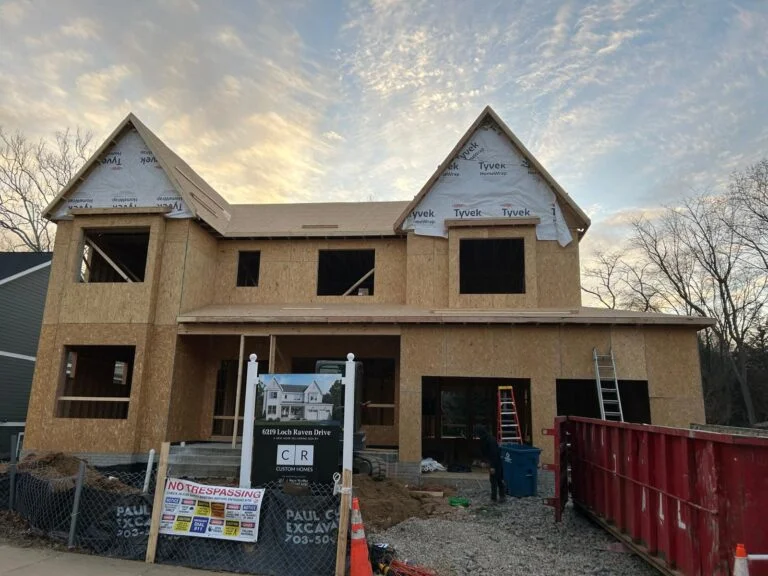
Most homeowners reach a point where the house stops fitting. A kitchen designed for two people feels impossible once the family grows. A closed floor plan that seemed cozy starts to feel like a series of disconnected rooms. The master bathroom has not been touched since 1994. The basement has been in temporary storage for six years running.
The first instinct is often to move. But buying a new home is expensive, disruptive, and offers no guarantee that the next place will fit any better. It trades known problems for unknown ones and pulls you away from neighbors you like, schools your kids are already enrolled in, and a commute you have spent years fine-tuning.
Home remodeling offers a different path. Fix what is broken, rebuild what is limiting you, and stay put. When planned carefully and executed by the right contractor, a remodel does not just update the house. It makes you actively glad you stayed.
This guide covers everything you need to make smart remodeling decisions: what the most valuable projects involve, how to build a realistic budget, what to look for when hiring a contractor, and what is specific to homeowners in Fairfax, Virginia.
The Projects That Matter Most
Not all remodeling projects deliver equally. Some provide outsized improvements to daily life. Others look impressive but do not move the needle on comfort, functionality, or resale value. The projects below consistently perform well on all three measures.
Kitchen remodeling
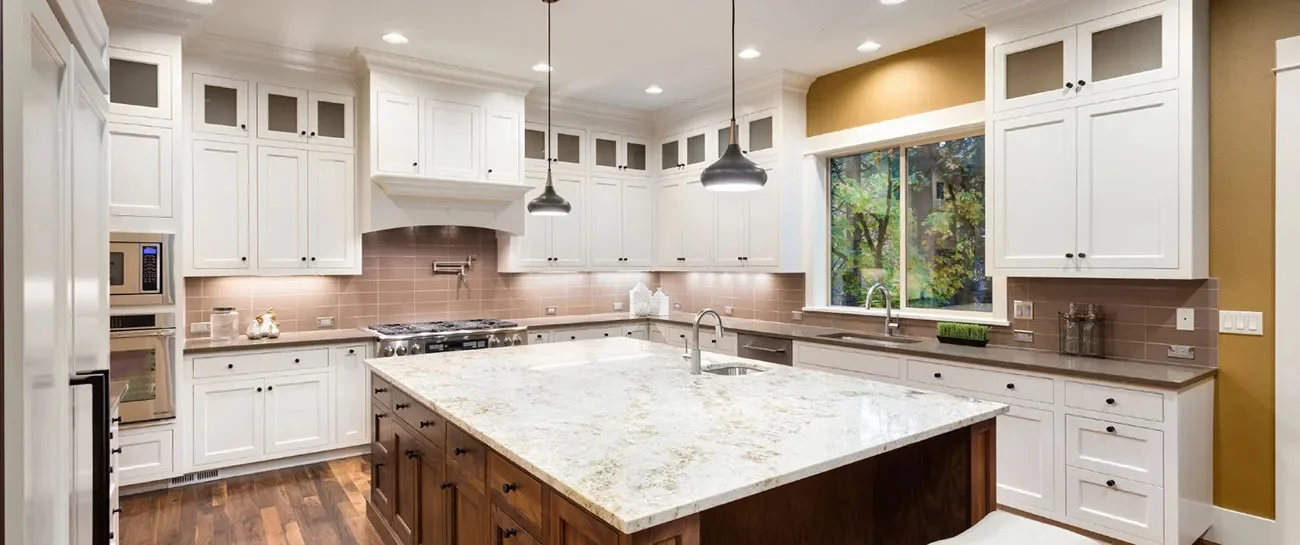
The kitchen gets used more than any other room in the house, which means its flaws are felt more frequently than anywhere else. A cramped galley layout that makes it impossible for two people to cook at once. Cabinets that top out at standard height and waste a foot of vertical space. Countertops that stain, chip, or simply look tired. An island positioned wrong for how the family actually moves through space. A kitchen remodel starts with layout, specifically with how people move through the space and how the cooking, prep, and cleanup zones relate to each other. The classic work triangle covering the range, sink, and refrigerator is a starting point, but modern kitchen design goes further, accounting for how the kitchen opens to adjacent dining and living areas and how many people realistically use the space at once.
Open-concept layouts remain popular because they solve a genuine problem. The person cooking should not feel isolated from the rest of the household. Removing the wall between a kitchen and a dining room transforms not just the physical space but the social dynamics of the home. It is one of the highest-impact structural changes available in a typical renovation. Beyond layout, the decisions that most affect both function and value are cabinetry, countertops, and appliances. Lighting is often underestimated. A well-lit kitchen with layered task and ambient lighting feels dramatically different from one with a single overhead fixture. A well-executed kitchen remodel typically returns 60 to 80 percent of its cost at resale and changes how you experience your home every single day.
Bathroom remodeling
Bathrooms age visibly and quickly. Grout darkens, caulk cracks, fixtures oxidize, and tile styles that were contemporary in 2005 now read as dated. But an outdated bathroom is not just an aesthetic problem. It is often a functional one too. Poor ventilation leads to mold. Inadequate storage means cluttered counters. A single vanity in a shared bathroom creates real morning friction in a household of four.
Primary bathroom remodels have the highest impact. Walk-in showers with frameless glass enclosures, freestanding soaking tubs, double vanities with integrated storage, heated tile floors, and thoughtful lighting transform a utilitarian room into something genuinely restorative. In the mid-to-upper range of the Fairfax housing market, these features are increasingly what buyers expect.
Secondary and guest bathrooms benefit from a tighter, more budget-conscious approach. New tilework, a vanity replacement, better lighting, and water-efficient fixtures can dramatically refresh a space without a full gut renovation. One practical consideration: whenever possible, keep plumbing fixtures in their existing locations. Moving a toilet or relocating a shower drain requires opening the floor, rerouting pipes, and significantly increases cost.
Basement finishing and remodeling
An unfinished basement is square footage you are already paying for in your mortgage, your property taxes, your heating bill, without getting any use from it. Finishing a basement is one of the most cost-efficient ways to add livable space to a home because the most expensive part, the structure itself, already exists.
The question is what that space should become. The answer depends on what the rest of the house lacks. If the main level has limited family gathering space, a basement family room fills that gap. If you are running out of guest bedroom options, a basement suite with an egress window and a full bathroom serves double duty. If remote work is permanent, a dedicated home office with proper acoustics and lighting makes a real difference in productivity and work-life separation.
Moisture control is the critical variable in any basement project. Before framing walls and installing flooring, any existing water intrusion needs to be resolved, not concealed. A basement that floods periodically is not a renovation project. It is a waterproofing project first. Skipping that step and finishing over a moisture problem creates far more expensive damage down the road.
Home additions
When there is no way to reconfigure existing space to get what you need, an addition creates it. This is the most complex category of residential remodeling. It involves structural engineering, foundation work, roofline integration, exterior matching, and more permits than any other project type. It is also, when done well, completely invisible. A good addition does not look added. It looks like it was always there.
Common additions include primary bedroom suites, expanded kitchens or kitchen-adjacent family rooms, sunrooms and screened porches, and dedicated home offices or studios. Some homeowners add second stories. Others expand outward on a single floor. The right choice depends on lot constraints, local zoning setback requirements, and the existing home's structure.
Budget significantly more time for additions than for interior remodels. Permitting can take weeks. Structural engineering drawings are required before permits are issued. A realistic addition timeline for a modest bedroom or office addition is four to six months from contract signing to completion. Larger additions run longer. The financial case is strong when the alternative is moving to a larger home, since adding 400 square feet costs a fraction of the price difference between smaller and larger homes in Fairfax's current market.
Whole-home remodeling
Some homes need more than targeted improvements. Older houses, particularly those built before 1980, may have outdated electrical panels that cannot safely support modern loads, galvanized plumbing that is corroding from the inside, insulation that falls far short of current standards, and cosmetic finishes that have not been touched in decades. Addressing these issues piecemeal over many years is expensive, disruptive, and produces an inconsistent result.
A whole-home remodel approaches the house as a system. It typically begins with the infrastructure, covering electrical, plumbing, and HVAC, and works outward to insulation, then to finishes. Done in a single project or a tightly sequenced series, it avoids the inefficiency of repeatedly opening walls, coordinating multiple contractors across years, and living through partial renovations indefinitely.
For homeowners in Fairfax considering this scope of work, full home renovation services by SB Builders and Construction Inc. cover every phase from structural upgrades through final finishes, with a single crew managing the entire project under one contract.